











River dolphins are among the world’s most endangered species, whether found in the New World, or the Old.
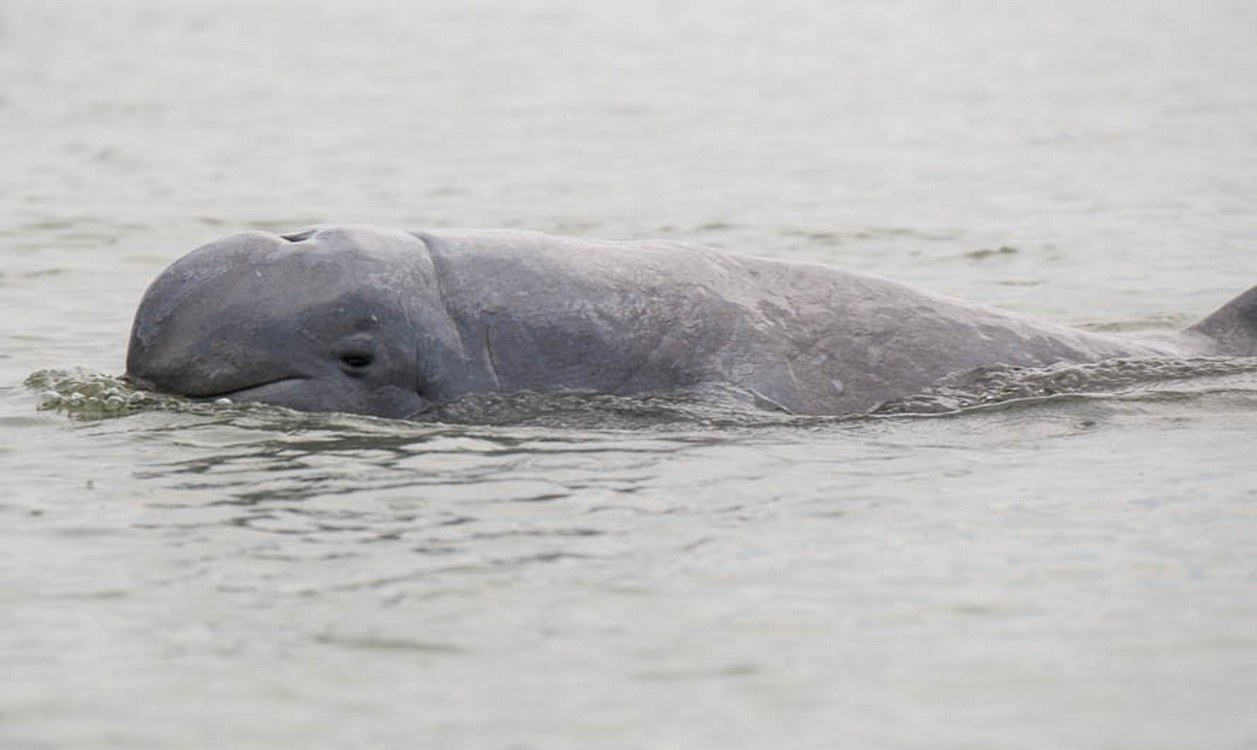
Yet at least for now, things are looking up for these animals considered sacred by the people living along a stretch of the Mekong River in Cambodia, as the most recent calving season produced 6 baby dolphins.
Irrawaddy dolphins (Orcaella brevirostris) are divided by modern civilization into multiple isolated populations across several countries. Some are still hunted, others killed in fishing bycatch, but increasingly these snub-nosed dolphins are valued as ecotourism attractions.
Laotians and Cambodians, however, have a common belief in both folk tradition and Buddhism that the Irrawaddy dolphins are reincarnations of their ancestors. Some even claim that the dolphins have saved drowning villagers and protected people from attacks by crocodiles.
Their beliefs and experiences have led the people of Laos and Cambodia to live peacefully alongside one another for ages, and the Cambodian population is the world’s largest still found in a river.
The 6 new calves take this sub-population up to 118 individuals along a 75-mile section in the country’s northeast, and local conservationists say they’re a clear sign that this special cetacean can recover if environmental threats are curbed.
The largest among these is gillnet fishing, which is especially dangerous for calves who may not know to steer clear of boats and the sounds of fishermen. Such fishing still occurs, Mongabay reported, in protected areas, but its apparently on a small scale.
CONSERVATION IN CAMBODIA: Asia’s Extraordinary Jumping Bird Now Thriving in Captivity–a Hopeful Halt to Population Slide
Some 160 dams installed along the mighty Mekong, the largest river in Southeast Asia, have altered river ecology in places where the Irrawaddy dolphins live, but the calving season indicates that food sources are still sufficient to allow the population to grow.
Starting in 2014, the chapter of World Wildlife Fund in Cambodia launched a joint program to advance Mekong dolphin conservation by diversifying community livelihoods away from a heavy dependence on fishing.
OTHER IMPERILED DOLPHINS: Pakistan Combines River Dolphin Sanctuaries Along the Indus River, Protecting 250 Miles of Habitat
A pioneering study in the science of conservation methods recently found that the greatest contributor to a species growing its way out of endangered status was community buy-in and local attitudes.
In that sense, the Irrawaddy dolphin has a good chance of recovering, as attitudes about the dolphin are reverential and locals have even been willing to risk violent confrontation to stop illegal fishing in zones protected for their welfare.
SHARE This Substantial Hope For The Future Of These River Dolphins…