












Just days before he left office, former Chilean President Gabriel Boric signed into law protections for the remote Juan Fernández Archipelago and a gargantuan swath of the surrounding sea.
The protections connect the archipelago with the existing Nazca-Desventuradas marine parks, and total 386,000 square miles, an area the size of Venezuela amounting to 50% of Chile’s territorial waters.
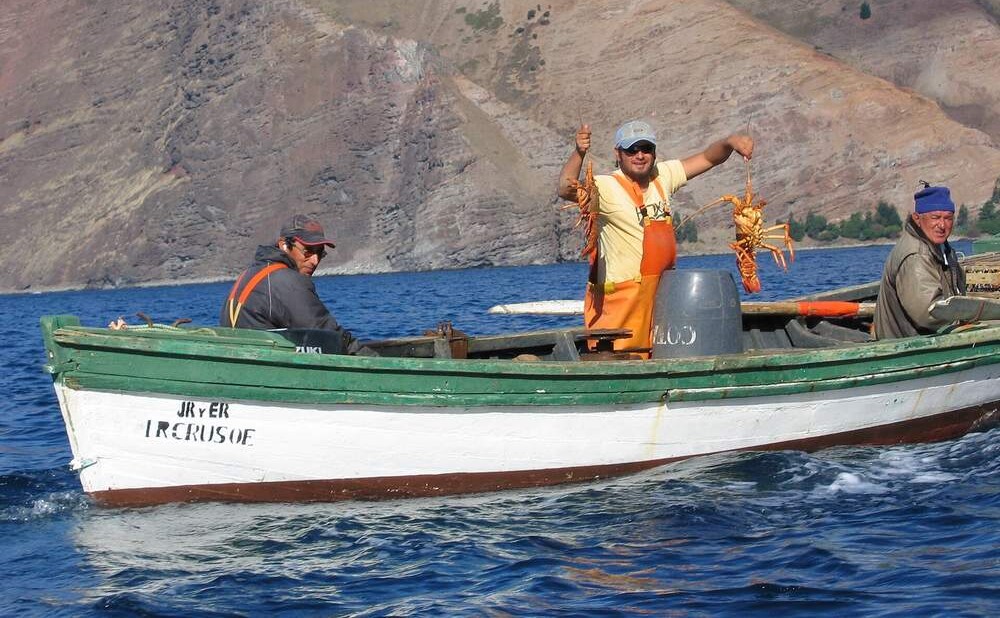
This huge marine protected area, home to whales, dolphins, turtles, spiny lobsters, octopus, a vast underwater mountain chain, sea turtles, numerous sea birds, and the Juan Fernández fur seal, is now the third-largest piece of conserved seascape in the world.
Under several administrations, Chile has been a strong supporter of the Kunming-Montreal Global Biodiversity Framework since its inception. Around 180,000 square miles of ocean was already protected in this area, and the islanders of Juan Fernández joined with national and international NGOs to campaign for broader protections.
“This commitment reflects the heart of our community,” stated Pablo Manríquez Angulo, mayor of the archipelago’s Robinson Crusoe Island. “Expanding marine protections is not only about conserving biodiversity, it’s about safeguarding our culture, our traditions, and the future of our children.”
THE LARGEST NEW MARINE PARKS:
- The Azores Protects Whales and Corals with Marine Preserve as Big as Virginia and Georgia Combined
- 30% of Barbados Seas to be Protected Under “Blue Bond” Financing That Saved The Seychelles
- ‘Huge Environmental Win’: Australia to Protect 52% of its Oceans, More Than Any Other Country
In 11th of March this year, Boric left office suffering from consistent low approval ratings throughout his tenure. The creation of the new united marine park around Juan Fernández Archipelago is a strong political legacy to leave behind.
“The community of Juan Fernández, President Gabriel Boric and the Chilean government are to be hugely congratulated for this legal designation,” said Dan Crockett, Executive Director of Blue Marine Foundation, who helped advance the new park protections.
“As the world advances towards 2030, fully protected areas of this scale are critically important.”
SHARE This Enormous New Marine Reserve Around Chile’s Pacific Islands…
Omg, I have been here! I am truly grateful. If you can get there please do. It’s worth it and the journey is very much too.